
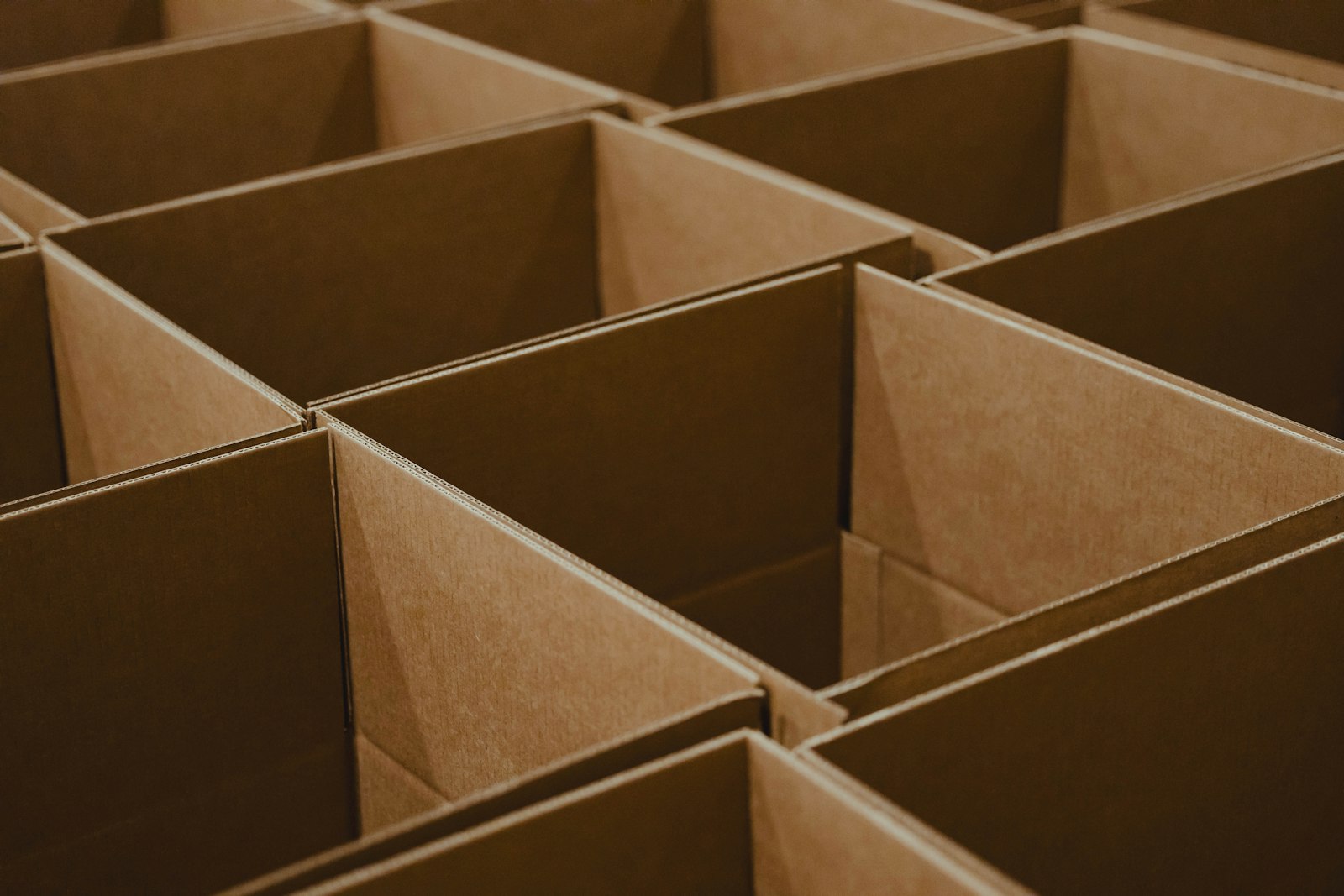
Shipping cartons rarely get attention until something goes wrong. A crushed corner, a split seam or a box that will not stack in the warehouse turns into returns, damaged stock and unhappy customers. For FMCG, food, pharma and industrial brands, the corrugated box is the last line of protection between the factory and the customer.
This guide explains the main choices that shape box performance: ply, flute, liner, printing and fit. Use it as a checklist when you brief a supplier.
Ply: how many layers do you really need?
Corrugated board is built from liner layers separated by a fluted medium. The number of plies describes how many layers are used. A 3-ply board has two liners and one fluted layer and suits lighter products and short transit. A 5-ply board adds a second fluted layer, giving much better stacking strength and protection for heavier loads. A 7-ply board is the heavy option for industrial goods, long supply chains and high stacking.
When you search for a corrugated box manufacturer in India, ask which ply constructions can be supplied and what load each is suited to. Matching ply to product weight and stacking height prevents both over-spending and failures.
Flute type and what it means for your product
Flute describes the size and profile of the waves in the corrugated medium. B flute has a flatter profile with good crush resistance and a smooth surface for printing. C flute is thicker and provides better cushioning and stacking strength. E flute is thin and suits retail-ready cartons with fine print quality. BC combinations pair two flutes in a double-wall board for added strength.
Choose the flute with your logistics in mind. If cartons are stacked high in a warehouse, strength in compression matters. If boxes are handled many times by hand, puncture resistance becomes more important.
Liner options and appearance
Kraft liner is available in natural brown and white. Natural kraft is the practical, cost-effective choice for shipping cartons. White kraft gives a cleaner base for printing and suits boxes that will be seen by customers. If your brand wants the carton to carry its identity, the liner choice affects how colours look on the board.
Printing and branding
Flexographic printing is the standard method for corrugated cartons and handles logos, handling marks and product information well. Up to four colours is a typical range for shipping cartons and covers most brand needs. Keep artwork simple and place essential marks, such as fragile symbols and orientation arrows, where they remain visible when boxes are stacked.
Custom size, die-cuts and inserts
A box that is too large wastes material and lets products move. A box that is too tight makes packing slow. Made-to-order dimensions allow a close fit to your product, which reduces void fill and shipping weight. Die-cut designs help with easy opening, display and self-locking. Partitions and inserts protect fragile items such as bottles, jars and glass, by keeping them from touching during transit.
Common mistakes to avoid
The most frequent mistake is choosing board strength by price alone. A cheaper carton that collapses in a stack costs far more in damaged goods. Another is ignoring humidity. Corrugated board loses strength in damp conditions, so products shipped through coastal or monsoon routes need a more generous specification. A third is skipping the sample stage and discovering fit problems only when a full order arrives.
Finally, remember that the box is also a brand touchpoint for e-commerce and distributor deliveries. Clean printing, clear handling marks and a neat finish help the customer trust what is inside before they open it.
A quick briefing checklist
- Product weight, dimensions and fragility.
- Stacking height and storage conditions.
- Transport route and number of handling points.
- Preferred ply and flute, or ask for a recommendation.
- Liner colour and printing requirements.
- Need for partitions, inserts or die-cut features.
- Order quantity and delivery schedule.
Working with a supplier who can match the box to the product
The best results come when the box is designed together with the product. Brands that also buy bottles, caps, jars and labels benefit from a single partner that understands those items and can size cartons around them. If you want custom 3-ply, 5-ply and 7-ply corrugated boxes built for a specific packing plan, share your product samples and a packing drawing early.
Ask for a sample carton before a bulk order. Pack it, stack it and drop test it in a way that reflects your real distribution. A short test can prevent an expensive mistake.
Bottom line
Strong cartons are the result of matching ply, flute, liner and size to the product and the route it will travel. Start with a clear brief, test a sample and confirm the details in writing. That approach protects your product and your brand reputation from the warehouse to the customer's door.